Signing a franchise agreement is a big moment.
You’ve done the research. You’ve asked questions. You’ve transferred a serious amount of money. And then the thought hits you:
“Okay… now what happens?”
For many people exploring franchise opportunities, this is actually the moment where uncertainty kicks in. The contract is signed, the investment is made, and now you’re wondering what the real journey looks like from that point forward.
This article walks through what actually happens after you sign a franchise agreement, based on how we onboard new owners inside the Little Boomers Basketball network.
This article is based on a recent Courtside Conversations episode by Little Boomers Basketball founder, Emile Koorey.
Watch the Full Breakdown
Step 1: Meet the Head Office Team
The first thing that should happen after signing a franchise agreement is simple.
You meet the people behind the brand.
At Little Boomers Basketball, new franchisees immediately get introduced to the head office team. This helps remove uncertainty and gives clarity about who to go to for support.
For example:
- Who handles compliance and invoicing
- Who supports daily operations
- Who manages marketing and strategy
- Who helps with growth and scaling
Franchise support only works when the relationship is clear. A new owner should never feel like they are “on their own” once the agreement is signed.
Meeting the team early creates trust and gives franchisees clear lines of communication from day one.
Step 2: Connect With Other Franchise Owners
One of the biggest advantages of joining a franchise is the network.
When you start a business from scratch, it’s usually just you.
When you join a franchise, you’re stepping into a group of people who are dealing with the same challenges and learning the same lessons.
Inside our network, new franchisees are paired with a buddy franchise owner. This gives them someone experienced they can talk to during the early stages.
We also introduce them to the wider franchise group so they can:
- Ask questions
- Share ideas
- Learn from other operators
- Avoid common mistakes
The community side of franchising is often underestimated. But it can be one of the most powerful parts of the model.
If you want to understand this deeper, you can also read our breakdown on What to Look for in a Franchise (That No One Tells You), which explains the importance of a strong franchise network.
Step 3: Review the 90-Day Launch Roadmap
Once introductions are done, the next step is structure.
Every new franchisee is taken through a 90-day success roadmap. This roadmap outlines the steps required to launch the business properly.
The goal is simple: remove guesswork.
The roadmap usually includes phases like:
- Business setup
- Venue sourcing
- Coach recruitment
- Marketing preparation
- System training
- Launch preparation
This structure is critical because most new franchise owners are running a business for the first time.
Instead of figuring everything out alone, the roadmap shows:
- what needs to happen
- when it needs to happen
- how it should be done
Our entire system is designed around this pre-launch process.
Step 4: Set Up the Business Properly
Before the first customer ever walks through the door, the foundations of the business need to be set up correctly.
This includes:
- Accounting and bookkeeping systems
- Business email setup
- Customer communication templates
- Automation systems
- Insurance policies
- Compliance checks
- Financial tracking
These details may sound boring, but they matter.
If you start a franchise without proper systems in place, you end up fixing problems later. It’s far better to build the structure properly from day one.
Good franchises focus heavily on this stage because it protects the owner long term.
Step 5: Complete Initial Training
Training is one of the most important parts of any franchise model.
At Little Boomers Basketball, initial training happens in two parts.
On-Court Training
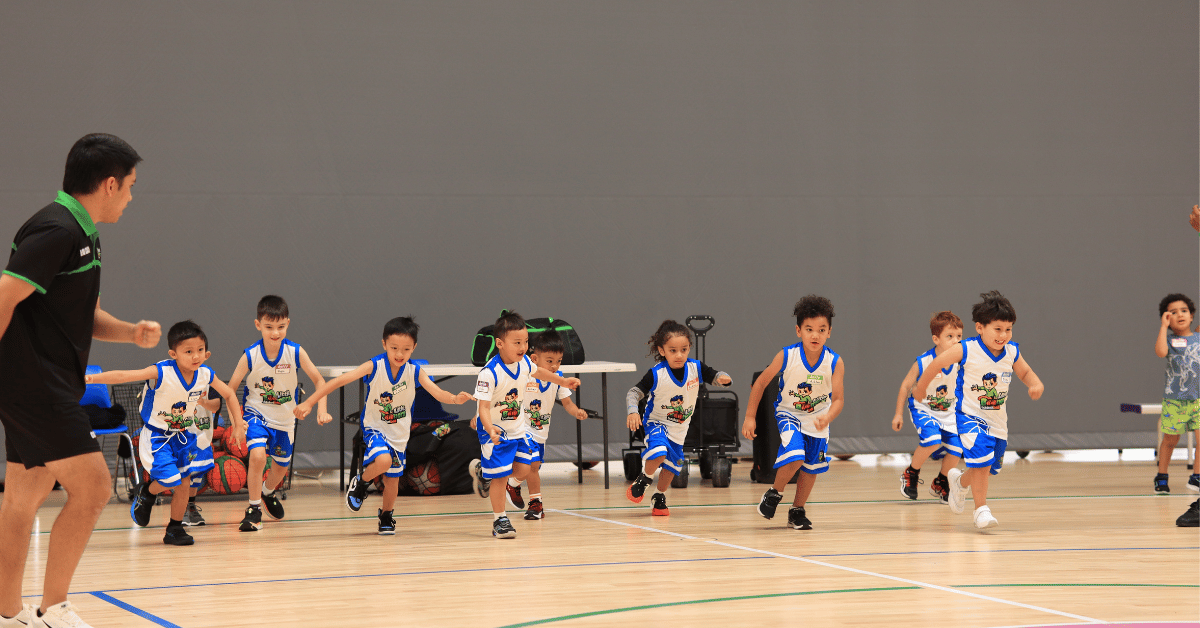
Franchisees spend time inside an operating location learning how the programs actually run.
This includes:
- Delivering basketball sessions
- Communicating with parents
- Managing children in classes
- Understanding how programs are structured
Even if the franchise owner plans to hire coaches, they still need to understand how the sessions work.
You can’t manage a team properly if you don’t understand the product.
Off-Court Training
Franchisees also complete training on the business systems.
This includes learning how to:
- Manage enrolments
- Create new classes
- Communicate with schools and daycare centres
- Recruit and onboard coaches
- Run operations behind the scenes
Training should be practical and engaging. Long lectures and theory rarely work. Hands-on experience is what builds real confidence before launch.
Step 6: Start Local Area Marketing
Once training and setup are underway, the next step is generating demand.
This is where local area marketing begins.
Franchisees promote their new program directly in their local community by:
- Visiting schools
- Introducing the program to daycare centres
- Building relationships with venues
- Connecting with local families
At the same time, head office runs digital marketing campaigns such as:
- Google Ads
- Facebook and Meta advertising
- online promotion for the brand
This combination of local outreach and digital marketing helps create early awareness before the first classes start.
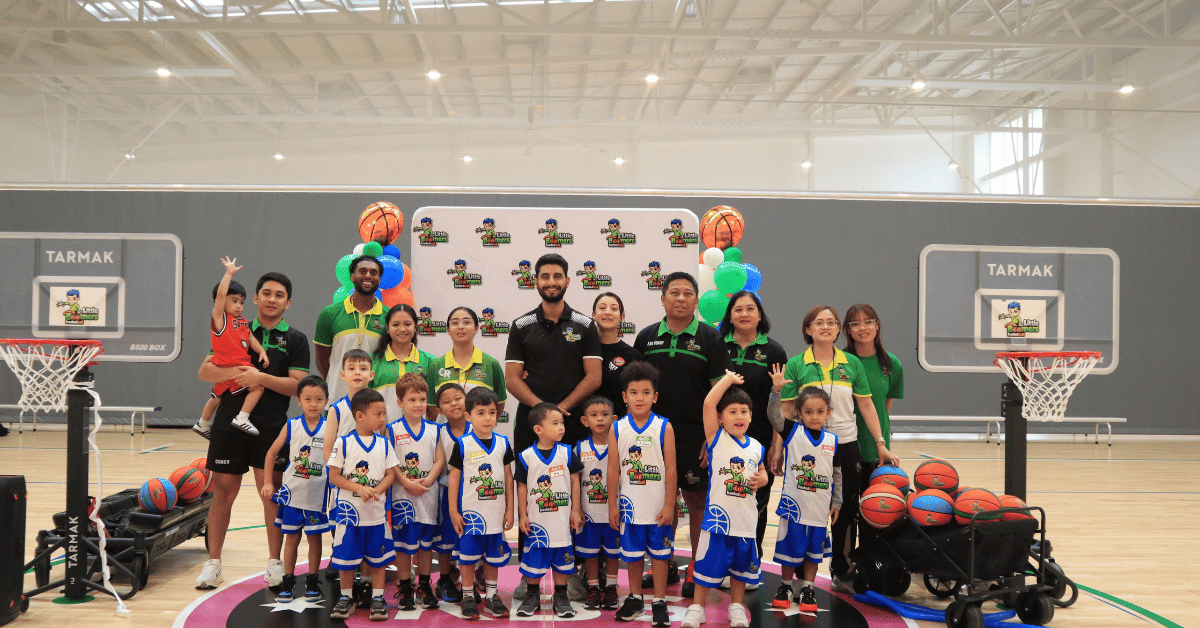
Step 7: Launch With a Grand Opening
Once everything is prepared, it’s time to launch.
The grand opening is designed to create excitement in the local community.
Typical launch events include:
- music and atmosphere
- gift packs for new members
- activities for kids
- photos and videos
- community promotion
The goal isn’t just to run classes.
The goal is to create buzz so local families know something new has arrived in their area.
Step 8: Create a Plan to Scale the Business
Launching a franchise is just the beginning.
After the grand opening, the focus shifts to growth.
Inside the Little Boomers network, franchisees work with the operations team to build a scaling plan.
This plan might include:
- expanding into more schools
- adding new venues
- hiring additional coaches
- increasing weekly classes
Some franchisees start with around 45 members at launch and then grow their membership over time as their local presence expands.
The key is having a clear strategy rather than hoping growth happens on its own.
Common Mistakes People Make
Many people researching franchising misunderstand what happens after signing.
Common assumptions include:
- Thinking the work is finished once the agreement is signed
- Expecting the business to run itself immediately
- Underestimating the importance of training
- Ignoring local marketing responsibilities
- Not building a clear growth plan after launch
A good franchise system removes confusion by giving owners structure, support, and a clear roadmap.
Key Takeaways
- Signing a franchise agreement is only the beginning of the journey
- Good franchise systems provide a clear onboarding roadmap
- Meeting the head office team early builds trust and support
- Connecting with other franchise owners reduces isolation
- Training must cover both operations and delivery of the product
- Local area marketing is critical before launch
- The real focus after launch is scaling the business over time
FAQ: Common Questions People Ask
What happens immediately after signing a franchise agreement?
Most franchise systems begin onboarding right away. This typically includes meeting the support team, reviewing the launch roadmap, and starting the setup and training process.
Do I need business experience before starting a franchise?
Not necessarily. Many franchise owners are first-time business operators. The training and systems are designed to teach the operational and marketing side of the business.
How long does it take to launch a franchise?
The timeline varies depending on the business model, but many franchises launch within a few weeks once training and setup are complete.
Will the franchisor handle all the marketing?
Usually it’s a shared responsibility. Head office often runs brand and digital marketing, while franchise owners handle local outreach in their territory.
What happens after the business launches?
After launch, the focus shifts to growth. Most franchisors provide coaching or support to help owners expand venues, increase customers, and scale their operations.
Keen to learn more?
If you’re exploring whether owning a Little Boomers Basketball franchise could be the right opportunity for you, the best place to start is understanding how the model works.
You can explore our Franchise FAQs to see the most common questions people ask before becoming an owner.


 Your child’s spot is locked in for the year — no re-enrol stress