

It’s 4:30 pm on a Thursday. The PE kit is still damp, the spelling test looms, and your child is buzzing. This weekly whirlwind is more than just chaos—it’s where resilience starts to take shape. As parents, we’re not just juggling schedules; we’re trying to help our kids find balance, build confidence, and still enjoy being kids.
That’s why it’s not just about getting from school to sport on time. It’s about the little things they learn along the way—like how to stay focused, manage their time, and keep a positive mindset, even when things get busy.
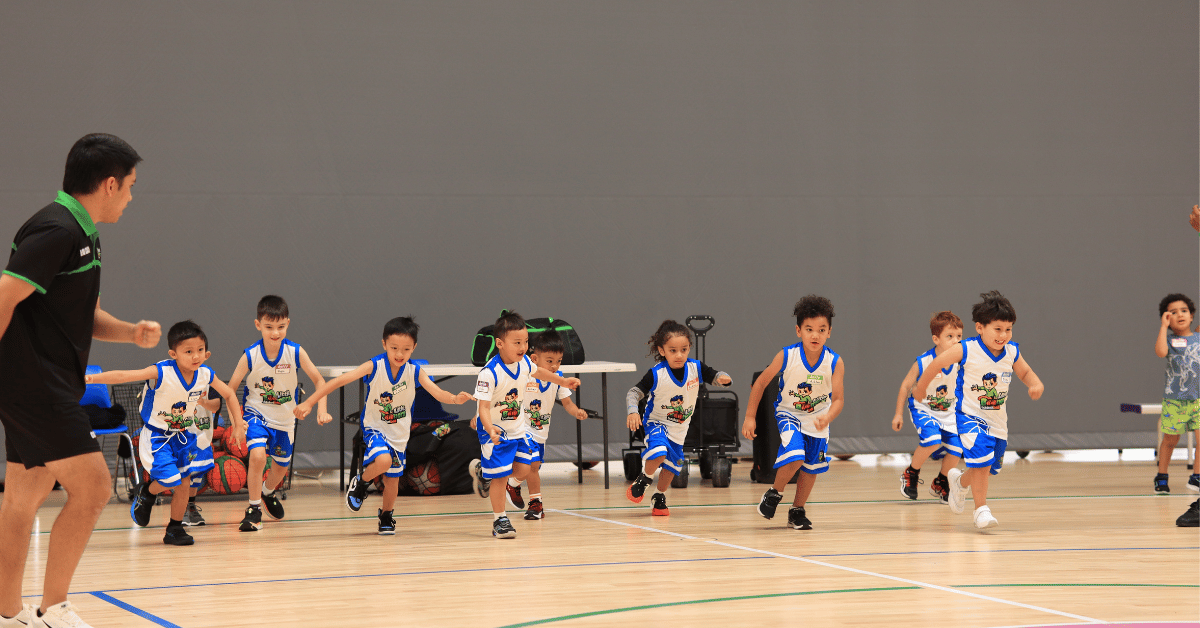
At Little Boomers, we see how sport can be a steady thread in all that. A place where kids can run off the day, connect with others, and start building those lifelong habits—in a way that feels fun, not forced.
Why Balancing School and Sports is So Important
Getting this balance right is about nurturing your child’s confidence. A positive routine for balancing sports and school creates a powerful feedback loop: success and effort on the court build the focus and self-belief they carry into their schoolwork. It teaches them that they are capable of meeting challenges. But when the pressure outweighs the passion, that confidence engine can stall.
Spot the wobble early by watching for the following signs…

Signs Your Child Might Be Overloaded
You know your child best. These signs aren’t usually dramatic meltdowns, but subtle shifts in their usual rhythm. Keep an eye out for:
- Declining Academic Performance
A sudden dip in grades, forgotten homework, or feedback from teachers about a lack of focus may be a sign of overwhelm. - Fatigue and Irritability
Constant exhaustion or uncharacteristic mood swings that go beyond normal post-training tiredness. - Loss of Enthusiasm for Sports or School
The clearest sign is when the activity they once loved starts to feel like a chore.
How to Balance School Work and Sports?
So, how to balance school work and sports in a way that feels supportive? Turning chaos into calm relies on teamwork and simple, repeatable routines. To avoid that frantic Thursday feeling, focus on these three actions:
- Map the Week Together
Use a visible planner to block out time for school, homework, training, and—most importantly—rest and free play. When a child sees their week visually, it empowers them and reduces anxiety about what’s next. - Prioritise Fuel and Rest
A consistent bedtime and nutritious meals are non-negotiable. Sleep, in particular, is when the brain processes new skills and consolidates learning from the day—both from school and sport. Protecting that recovery time is one of the most powerful ways you can boost their academic performance, athletic development, and overall resilience. - Create a Support Team
Keep the lines of communication open. Check in regularly with your child, their teachers, and their coaches. Simple, open-ended questions work best. Instead of “Did you have fun?”, try asking “What was your favourite drill today?” or “How are you feeling about that big project at school?”. This opens the door to a real conversation, allowing you to adjust early before small pressures become big problems.
How Little Boomers Supports a Healthy Balance
The most powerful choice you can make is placing your child in an environment where balance comes built-in. At Little Boomers, our age-appropriate sessions are designed to be that positive space. By removing the pressure of a non-competitive setting, we allow the joy of the game and the thrill of skill development to take centre stage.
Our coaches are trained to build resilience and confidence, so your child leaves every session feeling more capable and energised than when they arrived.
Let us be the fun, supportive part of your child’s weekly routine. Explore our term-time or Holiday Programs.

 Your child’s spot is locked in for the year — no re-enrol stress